 CuraBall
Empowering Mobility Through Education
CuraBall is a mission-driven non-profit dedicated to providing accessible resources for hand health. We translate aerospace-inspired technology into educational guides for natural finger and wrist wellness.
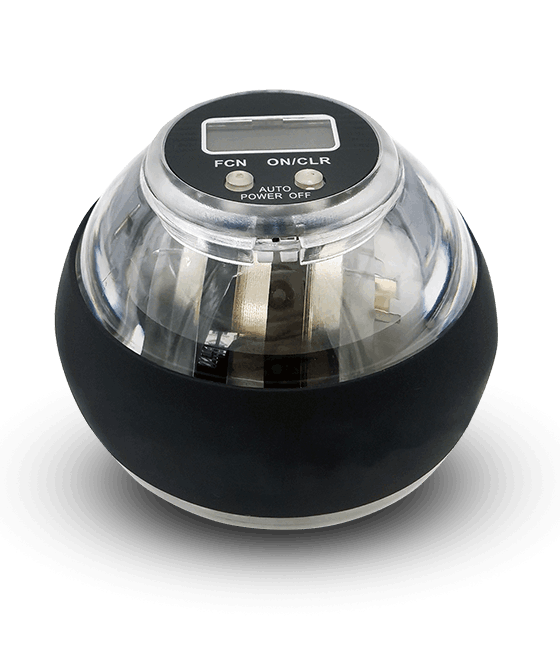
Recognized Resources





A People-First Mission

Accessibility for All
Our resources are designed for everyone, from seniors looking to maintain independence to individuals recovering from repetitive strain.

Evidence-Based Hub
We curate studies from orthopedic researchers to provide you with reliable, non-commercial health information.

Community Support
CuraBall fosters a network of care, sharing success stories and wellness tips to keep our community active and mobile.
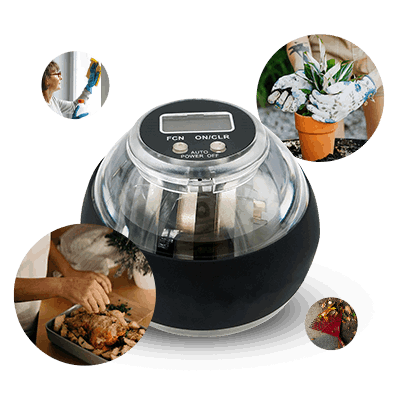
Why Hand Strength Matters
Maintaining dexterity in our hands is critical for daily independence—from opening jars to typing and gardening. As we age, or due to repetitive stress, our grip strength naturally declines.
Our educational initiative focused on gyroscopic resistance helps individuals understand the mechanics of their muscles and tendons, providing a pathway to natural recovery.
5. Wrist Stability Basics
Understanding the role of the median nerve and how to protect it through proper ergonomic alignment.
6. Finger Flexion Biology
The science of tendon gliding and how simple movements can prevent stiffness and promote fluid motion.
7. Palm Reflexology Research
Exploring the connection between hand nerve endings and overall systemic relaxation through compression.
8. Repetitive Strain Prevention
How digital workers can avoid RSI through 5-minute daily mobility breaks and proper workstation setup.
9. Aging & Independence
Strategies for seniors to maintain self-reliance by focusing on fine motor skill preservation.
10. Aerospace Tech in Wellness
How gyroscopic physics used in space travel can be adapted for earthbound hand physical therapy.
11. The Role of Hydration
Scientific link between joint lubrication and daily systemic hydration levels.
12. Anti-Inflammatory Nutrition
A look at ingredients like Boswellia and Turmeric and their impact on hand joint comfort.
13. Mind-Hand Synergy
Techniques to reduce hand tension held unconsciously during high-stress periods.
14. Dexterity Testing
Methodologies used in clinical trials to measure and track improvement in grip strength over time.
15. Global Health Outreach
How we distribute hand health toolkits to underserved communities worldwide.
Real Impact Stories
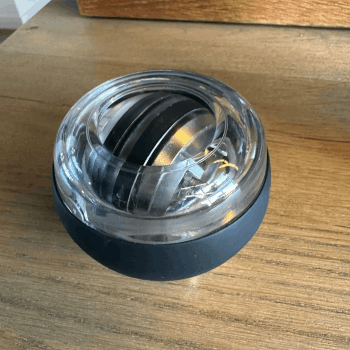
"As a woodworker, steady hands are my livelihood. The CuraBall education hub gave me the exercises I needed to stay in the shop."
John M., Colorado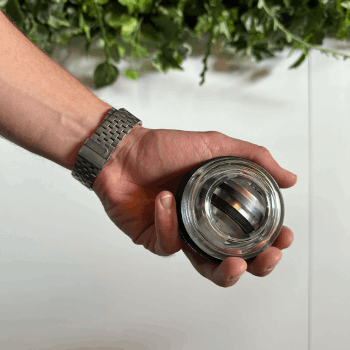
"Independence means being able to open my own medication. These guides have truly changed my life."
Margaret L., Florida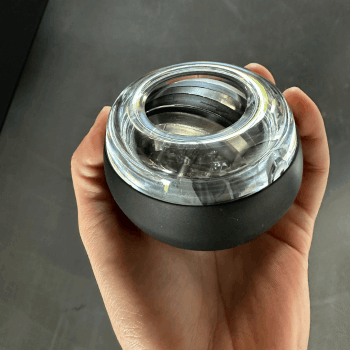
"I'm back to cooking for my family without pain. I never knew these natural methods were so effective."
Susan R., OregonVetted Scientific Resources
Every piece of educational content we produce is cross-referenced with authority domains like PubMed, NIH, and the American Academy of Orthopaedic Surgeons.
We provide these resources for free to foster a world where joint health is a shared knowledge, not a premium service.
Browse Science Hub
Join Our Mobility Mission
Become part of our global community. Access free resources, share your story, and help us promote hand health for everyone.
Hand Health & Mission FAQs
Our mission is to provide free, research-backed education on hand health and mobility preservation to individuals worldwide, focusing on natural and non-invasive methods.
Gyroscopic resistance was developed to maintain astronaut bone and muscle density in zero gravity. We adapt these physical principles for earthbound hand re-strengthening.
Yes, the exercises are designed to be progressive and low-impact, but we always recommend consulting a healthcare provider before starting any new wellness routine.
We operate through community support, research partnerships, and educational grants dedicated to geriatric and workplace wellness initiatives.
Signs include tingling in the thumb or index finger, a dull ache at the base of the palm, and stiffness after repetitive tasks like typing.
Absolutely. Strengthening the grip and improving wrist flexibility helps manage the repetitive strain often associated with pruning and planting.
No, our digital resources are free and accessible to anyone with an internet connection globally.
Clinically, grip strength is often used as a marker for overall physical vigor and is a strong predictor of long-term independence in aging populations.
You can access our toolkit through the Education Hub section, which includes video guides, exercise logs, and ergonomic checklists.
No. To maintain 100% integrity and focus on our mission, we host zero third-party ads or commercial tracking on our hub.
We research natural compounds like Boswellia Serrata, Curcumin, and Omega-3s, which are studied for their role in joint and tissue health.
Please reach out via our Contact Us page. We love sharing community success stories to inspire others on their mobility journey.
We define it as the ability to perform Activities of Daily Living (ADLs)—like dressing, feeding, and personal care—without outside assistance.
Yes, specific counter-stretches and mobility drills help offset the static tension of holding a mouse or smartphone for long periods.
It is a clinical exercise technique that ensures tendons move smoothly through their sheath, preventing "trigger finger" and other stiffness issues.
We are an independent non-profit, but we reference and support standards set by leading orthopedic and rheumatology centers.
Most individuals report subjective improvements in comfort and flexibility within 2-3 weeks of consistent 5-minute daily practice.
It refers to physics-based resistance that naturally increases as the user applies more force, making it perfectly matched to individual strength levels.
Yes, we encourage wellness coaches and workplace safety officers to use our resources for non-commercial educational purposes.
Detailed citations and links to original research papers can be found in our comprehensive Science Hub.